

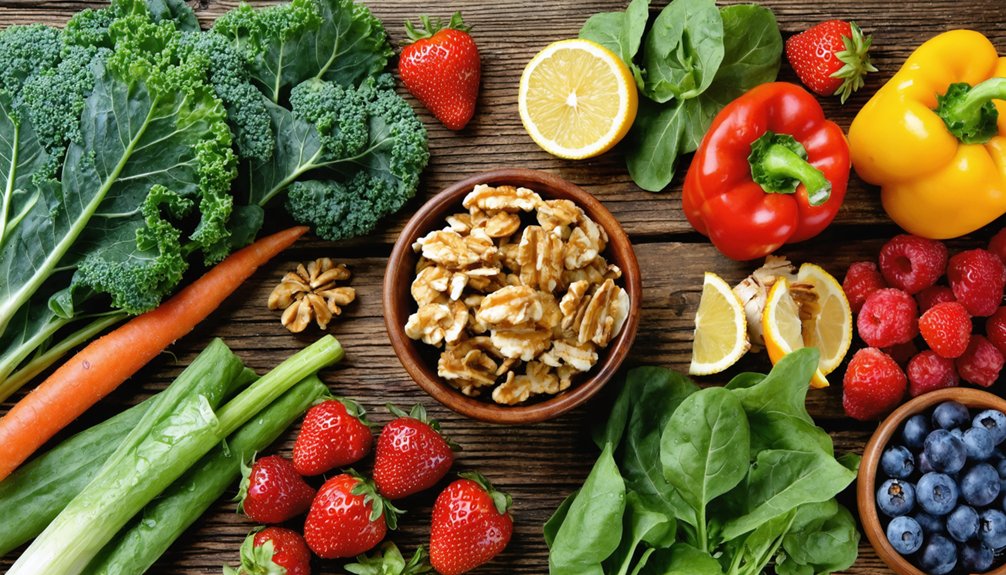

Foods that enhance immunity naturally include a variety of vitamin-rich options and essential minerals. Citrus fruits, red bell peppers, and garlic provide necessary vitamins like C and E. Zinc-rich foods such as nuts and seeds support immune function, while fatty fish offer vitamin D. Protein sources are essential for building immune cells. Fermented foods enhance gut health, which is essential for immunity. A well-rounded diet also emphasizes hydration and addresses nutritional deficiencies for ideal immune support; investigate further details to enhance your knowledge.
Highlights
- Citrus fruits, like oranges and lemons, are rich in vitamin C, which enhances white blood cell production for stronger immunity.
- Fatty fish, such as salmon, provide vitamin D, reducing inflammation and supporting immune function.
- Garlic contains allicin, a compound that boosts immune cell activity and offers antiviral properties.
- Fermented foods like yogurt and kimchi promote gut health, enhancing the immune system through beneficial bacteria.
- Colorful vegetables and fruits, such as bell peppers and berries, deliver essential vitamins and antioxidants that protect immune cells.
Vitamin-Rich Foods for Immune Support
A well-balanced diet rich in vitamins plays an essential role in supporting the immune system. Vitamin-rich foods serve as essential immune enhancers, offering numerous vitamin benefits that enhance overall health.
Citrus fruits, such as oranges and lemons, provide significant vitamin C, necessary for increasing white blood cell production and fighting infections. Red bell peppers surpass citrus in vitamin C content per serving, making them a powerful ally for immunity. Additionally, fatty fish like salmon are excellent sources of vitamin D, which can reduce inflammation and delay viral replication. Incorporating almonds and sunflower seeds introduces vitamin E, essential for maintaining immune function. Garlic’s immune-boosting properties come from sulfur-containing compounds like allicin, adding further support to immune health. Eating spinach lightly cooked helps maximize its vitamin C benefits, ensuring your body gets the most from this nutritious vegetable. Vitamin A is also crucial for keeping the immune system functioning optimally, especially in defending against infections. Adequate essential nutrients support immune function, as deficiencies can weaken immunity and increase susceptibility to infections.
These nutritious foods, rich in vitamins A, C, D, and E, collectively nurture a resilient immune system, promoting well-being and connection within communities.
Essential Minerals That Enhance Immunity
Essential minerals play a vital role in strengthening the immune system, offering crucial support in the body’s defense against pathogens. Key minerals like zinc, selenium, iron, copper, and magnesium contribute to optimal mineral balance, which directly influences immune functionality. Zinc enhances immune cell communication and reduces cold duration, while selenium supports T-cell function and antiviral defenses. Iron is essential for effective pathogen-fighting mechanisms, and copper aids in regulating oxidative stress during immune responses. Magnesium, critical for vitamin D activation, further modulates immune responses. Maintaining adequate levels of these minerals through a balanced diet is essential for overall health, as deficiencies may lead to increased susceptibility to infections and compromised immune capabilities. Sufficient mineral supply is vital for the innate immune system and adaptive immune defense. Furthermore, vitamin D deficiencies may negatively affect immune function and increase the risk of infections.
Power-Packed Fruits and Vegetables
Fruits and vegetables serve as powerful allies in enhancing the immune system, packed with essential vitamins, minerals, and antioxidants. Citrus fruits, like oranges and grapefruits, are vitamin C powerhouses that strengthen white blood cell production and immune cell function, showcasing substantial fruit benefits. Similarly, bell peppers and kiwifruit contribute to immunity with their high vitamin C and antioxidant content. Colorful vegetables, such as sweet potatoes and carrots, offer beta-carotene advantages, converting to vitamin A to support immune responses. Cruciferous vegetables like broccoli and kale pack additional nutrients and antioxidants that protect immune cells. Berries, including strawberries and blueberries, enhance immunity through vitamins and anthocyanins, proving that a dynamic diet substantially impacts overall health and wellbeing. Additionally, plant-based diets contribute to the overall strengthening of the immune system by providing a variety of nutrients essential for immune function. Eating a balanced diet is important for overall health and wellness, making these fruits and vegetables even more beneficial for immunity. Moreover, maintaining a strong immune system requires a variety of foods to ensure all necessary nutrients are consumed. Regular consumption of nutrient-rich foods supports the growth and activity of immune cells and antibodies, further reinforcing the immune response.
The Role of Protein in Immune Health
Nutrition plays a complex role in shaping immune health, and protein emerges as a fundamental component in this intricate structure. Protein intake contributes substantially to immune function by serving as the building blocks for critical components such as antibodies and cytokines. Antibodies, essential for identifying pathogens, rely entirely on protein structures for their production. Moreover, immune cells like lymphocytes and macrophages require adequate protein for their development and functioning. Amino acids derived from proteins play specific roles in regulating immune responses, influencing both innate and adaptive immunity. Insufficient protein intake can lead to diminished antibody production and weakened immune responses, increasing susceptibility to infections. Consequently, maintaining appropriate protein levels is vital for strong immune health and resilience, as up to 70 percent of immune system function is determined by gut and gut-associated lymphoid tissue health. Furthermore, the supporting the immune system is one of the most important functions of proteins, highlighting their essential role in overall immune defense. Additionally, proteins enhance the activity of the complement system, which is crucial for targeting foreign invaders. Nutrients influence immune cell function and gut-associated lymphoid tissue responses, emphasizing the interconnectedness of diet and immune health. Notably, protein supports the production of immune cells that actively fight infections, enhancing overall immune resilience.
Benefits of Fermented Foods
The consumption of fermented foods offers a multitude of health benefits, particularly for the immune system. Rich in probiotics, these foods, such as yogurt and kimchi, promote gut health by enhancing microbiome diversity and increasing beneficial bacteria like Bifidobacterium. Studies reveal that higher intake of fermented products can lead to significant microbiome benefits, ultimately serving as effective immune enhancers. Additionally, fermented foods help regulate inflammatory markers, reducing risks associated with chronic diseases like heart disease and diabetes. Research has shown that consuming fermented foods can also lead to decreased levels of inflammatory proteins linked to various health conditions. The fermentation process not only enhances nutrient absorption but also nurtures a balanced gut environment that supports overall well-being. Furthermore, the interaction of fermented foods with local gut immune cells can help modulate immune responses, emphasizing their role in promoting health. Embracing these fermented advantages can deeply impact immunity and health, cultivating a community that thrives on wellness. Furthermore, fermented foods like kimchi and sauerkraut contain bioactive molecules that contribute to their anti-inflammatory properties, further supporting immune function. Notably, the probiotics found in fermented foods are known to stimulate proper immune system function, lowering the risks of inflammation-driven conditions. Moreover, the diverse microbial composition found in fermented foods can provide varying health benefits, including enhanced immune responses.
Functional Foods and Their Impact on Immunity
Building upon the health benefits attributed to fermented foods, functional foods play a significant role in enhancing immune health through a diverse array of components.
Rich in essential minerals like zinc, selenium, and iron, these foods provide functional ingredients that support immune modulation and the differentiation of immune cells.
Plant-based options, including ginseng and mushrooms, offer additional benefits through their immunomodulatory properties, enhancing white blood cell function.
Dairy-derived components strengthen immunity by improving intestinal barrier functions and promoting T and B cell responses.
Collectively, these functional foods leverage antioxidant pathways to safeguard against pathogens and enhance overall immune resilience.
Emphasizing their nutritional value promotes a sense of community and shared commitment to better health and well-being, encouraging people to take a plunge into healthier eating habits.
Spices That Bolster Immune Function
While many may associate spices solely with flavor enhancement, a range of spices possess outstanding properties that substantially reinforce immune function.
Turmeric benefits are notable due to curcumin, its active compound, which boasts potent antioxidant and anti-inflammatory effects, enhancing immune responses and the body’s defenses.
Similarly, ginger properties provide significant support through gingerol compounds, known for their anti-inflammatory abilities and immune-boosting effects.
Garlic, featuring the compound allicin, further supports immune cell function.
Other spices, such as cinnamon, cloves, and oregano, contribute with their antioxidant and antimicrobial characteristics.
Consuming these spices regularly can combat respiratory infections and improve overall immune resilience, making them precious additions to a healthful diet that promotes communal wellbeing.
Dietary Guidelines for a Strong Immune System
A strong immune system is essential for maintaining overall health and resilience against infections and diseases. Effective diet planning can substantially enhance immune boosting capabilities. A balanced intake of essential vitamins, such as A, C, D, and E, along with minerals like zinc and selenium, guarantees vigorous immune cell function.
Proteins from both animal and plant sources provide the necessary amino acids for immune response and recovery. Additionally, a fiber-rich diet promotes a healthy gut microbiome, further supporting immunity. Incorporating a variety of colorful fruits, vegetables, and healthy fats promotes the development of immune-supporting nutrients.
Ultimately, a thorough approach to dietary guidelines promotes a nourishing environment for the immune system, encouraging collective well-being and resilience, and guarantees enhanced immune function, to markedly augment a healthy and vigorous immune system, and to reinforce a detailed and sturdy defense mechanism.
The Importance of Hydration for Immunity
Maintaining hydration is equally important for a strong immune system. Recent studies reveal that inadequate water intake can substantially decrease immune cell efficacy and alter T-cell function, particularly in the gut. Hydration benefits extend to enhanced immune cell movement, essential for effective defense against pathogens. Even mild dehydration can impair immune response capabilities, highlighting the importance of consistent fluid intake.
Moreover, proper hydration supports mucosal immunity, maintaining barriers in the respiratory and digestive tracts. This facilitates the production of lymph, a critical element for immune cell circulation. To promote overall health and resilience, individuals should prioritize hydration, viewing it as an essential component alongside nutrient-rich foods that serve as immune enhancers.
The Consequences of Nutritional Deficiencies on Immune Health
Nutritional deficiencies pose significant risks to immune health, undermining the body’s ability to effectively fend off infections and diseases.
Deficiencies in essential micronutrients like vitamins A, B12, C, and minerals such as zinc and selenium can lead to immune dysfunction by impairing cytokine production and antibody responses.
For instance, vitamin A deficiency weakens barrier function, allowing pathogens easier access to the body.
Additionally, compromised immune cell production substantially diminishes the effectiveness of lymphocytes and phagocytes.
Certain populations, including the elderly and children, are particularly vulnerable to these deficiencies, exacerbating their risk for infectious diseases.
Addressing nutritional deficiencies is vital for maintaining strong immune health and nurturing a community that thrives on collective well-being.
References
- https://onlinelibrary.wiley.com/doi/abs/10.1002/fsn3.3628
- https://news.cuanschutz.edu/health-and-wellness/the-truth-about-immune-boosting-foods
- https://www.mayoclinichealthsystem.org/hometown-health/speaking-of-health/fight-off-the-flu-with-nutrients
- https://pmc.ncbi.nlm.nih.gov/articles/PMC9772031/
- https://www.health.harvard.edu/staying-healthy/how-to-boost-your-immune-system
- https://pmc.ncbi.nlm.nih.gov/articles/PMC10630845/
- https://www.healthline.com/health/food-nutrition/foods-that-boost-the-immune-system
- https://health.clevelandclinic.org/vitamins-best-boosting-immunity
- https://www.spirehealthcare.com/health-hub/specialties/lifestyle-management/10-foods-that-can-help-boost-your-immune-system/
- https://ods.od.nih.gov/factsheets/ImmuneFunction-HealthProfessional/