

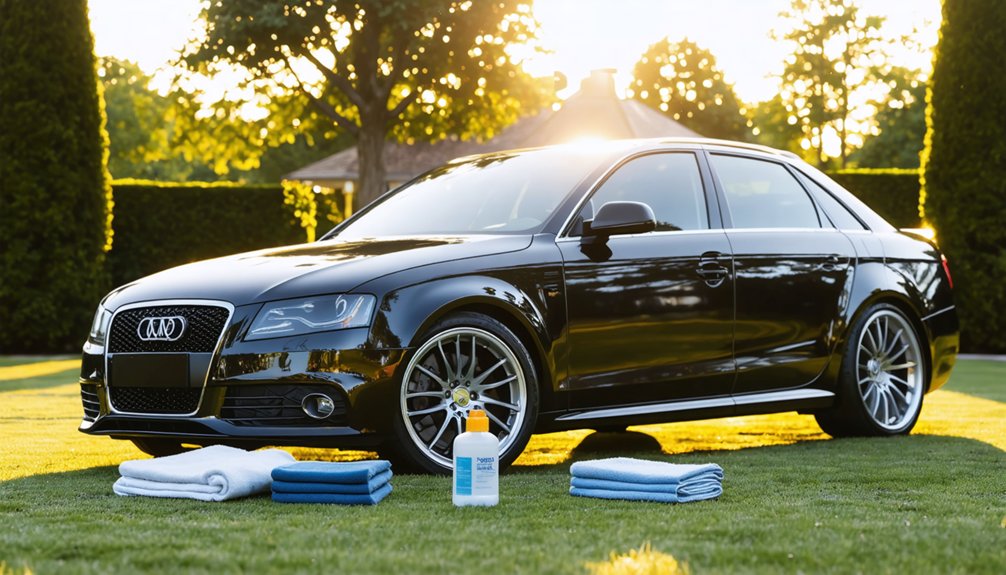

To maintain a car’s resale value, prioritize following the manufacturer’s maintenance schedule and keep detailed service documentation. Regular cosmetic upkeep is essential, addressing minor repairs promptly to prevent depreciation. Opt for brands known for their strong resale values, and be mindful of depreciation rates specific to models. Regularly monitor and replace essential fluids to enhance performance, while ensuring the interior is clean and well-conditioned. These practices substantially contribute to preserving value, and there’s more to investigate on this topic.
Highlights
- Follow the manufacturer’s maintenance schedule to prevent significant mechanical issues and ensure your vehicle remains dependable and valuable.
- Address cosmetic repairs promptly to maintain the vehicle’s appearance and prevent further depreciation.
- Keep a complete service history, as documented maintenance records can enhance resale value significantly.
- Invest in high-resale value brands and models to secure superior returns when selling your car.
- Regularly clean the interior and eliminate odors to enhance buyer appeal and potentially increase trade-in value.
Follow the Manufacturer’s Maintenance Schedule
Adhering to the manufacturer’s maintenance schedule is crucial for vehicle owners aiming to preserve their car’s resale value. Following these prescribed maintenance routines not only guarantees compliance with warranty benefits but also protects against the costly consequences of neglected service. For instance, skipping fluid changes can lead to engine failures, potentially voiding warranties that cover significant repairs. Regular inspections and timely replacements, such as timing belts and brake components, prevent minor issues from escalating, safeguarding performance and longevity. Additionally, regular maintenance helps achieve efficiency by keeping the engine, tires, and components in check, which further supports resale value. Furthermore, scheduled maintenance is critical as it helps identify and address issues early, ensuring the vehicle remains dependable and valuable. In fact, regular oil changes and tire rotations are essential components that help maintain optimal performance. Moreover, engaging in preventive maintenance routinely enhances overall vehicle reliability, which can be a strong selling point for potential buyers. Following the manufacturer’s recommendations helps catch issues before they escalate, thereby preserving vehicle integrity.
Additionally, maintaining a documented service history enhances resale appeal, demonstrating responsible ownership to potential buyers. Ultimately, a proactive approach to maintenance not only serves immediate vehicle health but also maximizes the car’s worth when it comes time to sell.
Keep Detailed Service Documentation
Keeping detailed service documentation is essential for vehicle owners who wish to enhance their car’s resale value. Exhaustive record keeping directly correlates to increased buyer trust, demonstrating proactive care and maintenance.
Vehicles with a Full Service History (FSH) can command premium prices of 10% to 20% more than those with Partial Service History (PSH). Documented maintenance records, including invoices and service stamps, provide validation of consistent upkeep, alleviating buyer concerns about potential hidden mechanical issues. A full service history instills confidence in buyers about vehicle maintenance and condition, further emphasizing its importance. A vehicle that undergoes regular maintenance and complies with the manufacturer’s recommended service schedule is more appealing to potential buyers and can significantly affect resale value. Additionally, keeping records allows mechanics to pinpoint problems and assess repair history efficiently, which is an asset during negotiations. Moreover, maintaining a regular maintenance schedule prevents major mechanical failures that could decrease value. Following these guidelines ensures that your vehicle maintains its service validity and overall condition, ultimately enhancing its sale price.
Incomplete service histories can lead to skepticism and reduced offers. Thus, maintaining transparent documentation not only strengthens negotiating positions but also serves as a key factor in ensuring the vehicle’s value remains high throughout its selling lifecycle.
Consistent service documentation ultimately translates into significant service benefits for sellers.
Maintain Cosmetic Appearance Regularly
Detailed service documentation complements the ongoing efforts to maintain a vehicle’s cosmetic appearance, both of which substantially influence resale value. Regular maintenance, such as addressing minor dents and dings promptly through Paintless Dent Repair, can prevent significant value loss. Additionally, implementing effective paint protection measures, like ceramic coatings, safeguards the vehicle against scratches and UV damage, preserving its factory finish. Timely cosmetic repairs for paint chips are vital as they can prevent potential rust and greater depreciation. Investing in professional detailing enhances the car’s aesthetic, signaling diligent maintenance that echoes with buyers. Cosmetic issues can drastically affect a car’s resale value, making it even more critical to keep the exterior in pristine condition. A recent study found that cars with visible exterior damage depreciate faster, emphasizing the value of a well-kept exterior that not only attracts attention but also supports a higher resale price, reinforcing the importance of maintaining cosmetic appearance for maximizing value. Moreover, neutral colors can enhance the car’s appeal and resale value even if the condition is stellar. Additionally, professional repairs can lead to an 8-10% increase in trade-in value, further highlighting the financial benefits of maintaining a car’s exterior. Additionally, ensuring repairs are well-documented can help build buyer trust in the vehicle’s history.
Choose Brands With Strong Resale Value
Selecting a vehicle from brands known for strong resale value can substantially enhance long-term investment returns. Particularly, Toyota maintains an impressive 63.6% of its original value after five years, closely followed by Honda and Mazda, retaining 60.7% and 60.4%, respectively. This brand reputation reflects not only reliability but also vehicle popularity among consumers, contributing to their solid market performance. Luxury brands like Lexus and Porsche demonstrate exceptional retention rates, with Lexus averaging 73.7% across its lineup. Investing in high-resale value brands guarantees that owners can expect superior returns when it comes time to sell. Additionally, certain models such as the Toyota Corolla Hatchback have an impressive 5-year residual value of 81.1%, underscoring the importance of specific model choices. Furthermore, Toyota has received the Best Brand title for the eighth time in nine years, highlighting its consistent excellence in resale value. In fact, Toyota dominates the top-10 vehicles list with half of the entries, showcasing its strong market position. Deliberate choices in brands enhance collective belonging within a community of informed drivers, all prioritizing smart investments for the future, and this approach guarantees owners can reap the benefits in the long run. Moreover, vehicles that exhibit low depreciation rates not only represent wise investments but also continue to sustain their appeal in the used car market.
Be Mindful of Depreciation Rates
When considering a vehicle purchase, understanding depreciation rates is vital to maximizing resale value. Average vehicles in the U.S. lose approximately 32.36% of their value within three years, while the trend is even steeper in the UK at 38.72%. This means that selecting a vehicle with a low 3-year depreciation rate is crucial for buyers looking to preserve their investment.
Factors influencing depreciation include market trends and the specific segment of the vehicle; for example, full-size vans and prestige luxury cars tend to retain value better than compact models. Particularly, new cars typically depreciate around 30% in the first two years and continue to decline at a rate of 8-12% annually thereafter.
Keeping these depreciation factors in mind allows buyers to make informed decisions, potentially minimizing the financial loss associated with vehicle ownership, which is essential.
Invest in Cost-Effective Maintenance Practices
Investing in cost-effective maintenance practices is essential for preserving a vehicle’s resale value. By embracing preventive savings, car owners can avoid costly emergencies and enhance their vehicle’s longevity.
Regular maintenance, such as oil changes and component checks, can yield a spectacular 545% return on investment when compared to reactive repairs, which can result in unforeseen costs averaging between $350 and $700. Given that maintenance expenses increased 9% in 2023, adopting a strategic approach to maintenance economics guarantees timely attention to wear and tear, thereby preventing expensive breakdowns.
Documenting a complete service history further amplifies resale value, reflecting a commitment to care and attention. This proactive mindset not only promotes belonging within the car community but also enhances the overall ownership experience.
Monitor and Replace Essential Fluids
Monitoring and replacing essential fluids is a critical aspect of vehicle maintenance that substantially influences resale value.
Regular fluid checks guarantee that engine oil, transmission fluid, coolant, brake fluid, and power steering fluid are maintained at ideal levels.
Key indicators, such as the clarity of transmission fluid and the color of engine oil, help in leakage detection and overall vehicle health assessment.
Following manufacturer-recommended replacement intervals not only enhances performance but also reflects conscientious care.
Documentation of these maintenance practices can further reinforce buyer confidence, adding to the vehicle’s perceived value.
Thus, investing time in fluid maintenance is essential for anyone looking to preserve their car’s integrity and appeal when it’s time to sell.
Address Minor Repairs Promptly
Addressing minor repairs promptly is crucial for maintaining a vehicle’s aesthetic appeal and overall value. Minor damage, such as scratches and paint chips, can severely impact resale worth, leading to potential losses between $1,500 and $3,000 on a vehicle priced at $30,000.
Immediate cosmetic fixes not only prevent further deterioration but also preserve the car’s appearance, keeping it closer to “like new” condition. Investing $100 to $500 in timely repairs is substantially more economical than the potential value drop from unaddressed blemishes. Using professional repair services guarantees quality and maintains buyer confidence, enhancing the vehicle’s attractiveness in the market.
Ultimately, proactive maintenance and documentation of repairs reflect responsible ownership, promoting trust with potential buyers.
Clean and Condition the Interior
An immaculate interior can substantially enhance a vehicle’s resale value and appeal to prospective buyers. Regular interior cleaning, including professional detailing, can lead to a 5-10% increase in trade-in value and facilitate quicker sales turnover, making the vehicle more attractive.
Odor elimination plays a vital role, as odour-free cabins generate 25% higher buyer interest. Deep cleaning processes effectively tackle persistent odors from pets and spills, addressing buyer concerns and promoting confidence in the vehicle’s history. Additionally, maintaining stain-free upholstery reinforces the perception of lower mileage and overall superior condition.
Document All Maintenance and Repairs
Documenting all maintenance and repairs is crucial for maintaining a vehicle’s resale value. Complete service histories can boost resale prices by up to 20%, as prospective buyers view them as proof of responsible ownership. By organizing records effectively, including dates, mileage, and service details, owners convey transparency and build trust.
Utilizing digital storage solutions with secure cloud backups guarantees records remain safe and accessible, mitigating buyer concerns about past vehicle issues. Inconsistent or missing documentation, particularly spanning two years or more, can diminish value and raise skepticism.
Ultimately, maintaining organized records enhances the selling experience, allowing for smoother negotiations and a higher likelihood of a successful sale. A well-documented service history can lead to faster transactions and higher premiums, and is essential for maintaining a vehicle’s resale value, guarantee records remain safe, critical for maintaining a vehicle’s resale value, boost resale prices, and is essential.
References
- https://www.kellycar.com/blog/blog-retain-your-cars-value
- https://www.carbuyerusa.com/sell-your-car-blog/does-regular-maintenance-and-service-history-increase-my-cars-worth
- https://www.sunsethillssubaru.com/blogs/4580/how-to-find-the-best-resale-value-for-your-car/
- https://www.kbb.com/car-advice/how-to-beat-car-depreciation/
- https://www.consumerreports.org/cars/car-maintenance/the-cost-of-car-ownership-a1854979198/
- https://caredge.com/research
- https://idealautosalesbensonhurst.com/maximize-car-resale-value-maintenance-tips/
- https://www.eurotechmn.com/blog/what-are-the-advantages-of-following-recommended-maintenance
- https://www.autotechoftysons.com/the-importance-of-scheduled-maintenance-for-your-vehicle
- https://www.jaguarcapefear.com/blog/2024/november/13/the-importance-of-following-your-vehicles-maintenance-schedule.htm